Etsy Seller's Guide to Selling at Farmers Markets & Craft Fairs
Etsy Seller's Guide to Selling at Farmers Markets & Craft Fairs
Transitioning from an online storefront to the vibrant energy of a physical booth is a major milestone for any creator. If you are an Etsy seller looking to reach new local audiences, exploring the world of farmers markets and craft fairs is your next logical step to scaling your business. In-person engagement builds trust, loyalty, and brand awareness in ways that digital screens simply cannot replicate.
Successfully moving from online to in-person vendor sales requires more than just moving your inventory to a folding table. It involves strategic planning, inventory management, and the right logistics. Whether you are targeting high-traffic artisanal markets or juried craft fairs, having a reliable system like an event and vendor management platform is essential to keep your operations running smoothly.
Table of Contents
- Why Etsy Sellers Should Sell In Person
- How to Find the Best Markets and Fairs
- Designing a Standout Market Booth
- Preparing Your Inventory for Live Selling
- Leveraging Modern Event Technology
- Frequently Asked Questions
Why Etsy Sellers Should Sell In Person
Moving your business to the physical realm allows for immediate feedback and personal connections. Selling in-person as an Etsy seller helps you test new products in real-time and cultivate a loyal local following. Beyond just sales, these markets provide the social proof and networking opportunities that fuel long-term creative growth.
The Benefits of Multichannel Sales
- Direct customer feedback on product design and pricing.
- Building an email list through face-to-face interactions.
- Eliminating shipping costs for local buyers.
- Networking with other makers for collaborations.
As you scale, managing multiple applications can become tedious. Using a platform that centralizes the vendor experience is highly recommended. To get started, you can browse events and markets that suit your specific product category.
How to Find the Best Markets and Fairs
Identifying the right events is critical. Not every craft fair is a fit for your specific handmade goods. Look for juried shows that curate their vendor list to ensure quality, and verify the demographics of the attendees to ensure they align with your target market. Consistency is key when building your local brand presence.
When you are ready to expand, our start managing your event tools ensure that organizers can handle everything from applications to digital booth mapping. Whether you are a farmer or an artisan, managing your schedule efficiently is the difference between a successful season and a missed opportunity.
Designing a Standout Market Booth
Your booth is your mobile retail store. It needs to reflect the aesthetic of your online brand while being optimized for high-traffic environments. Invest in professional signage, eye-level product displays, and clear pricing to make shopping easy for your customers. Keep your space organized to encourage browsing and buying.
Pro Tip: Always keep a small inventory stash tucked away to restock items quickly during the busy rush hours.
Preparing Your Inventory for Live Selling
Inventory management for markets is distinct from Etsy. You need to focus on "grab-and-go" items, seasonal favorites, and high-margin goods that are easy to transport. Ensure all items are tagged with clear pricing to minimize the need for verbal interactions regarding costs during peak hours.
As your events grow in complexity, many organizers are moving toward professional systems. If you are an organizer planning a show, you can view pricing to see how an all-in-one management platform can streamline your vendor applications and communication.
Leveraging Modern Event Technology
The landscape of market management is shifting toward automation. Modern events now utilize digital booth mapping, QR code check-ins for vendors, and automated vendor approvals. These technologies save both the organizer and the vendor hours of administrative work, allowing them to focus on the creative aspect of the business.
By using an integrated platform, you eliminate the "spreadsheet struggle" and create a more professional experience for everyone involved. Whether you are managing a craft fair, a night market, or a food truck festival, technology is the backbone of modern operations.
Frequently Asked Questions
- How do I transition from Etsy to in-person markets? Start by identifying 2-3 local markets that fit your aesthetic, prepare your booth setup for portability, and ensure your branding is consistent with your online presence.
- Do I need a tax permit to sell at craft fairs? Yes, most states require a seller's permit or tax ID for selling goods in person. Check your local state government website or SBA.gov for specific requirements.
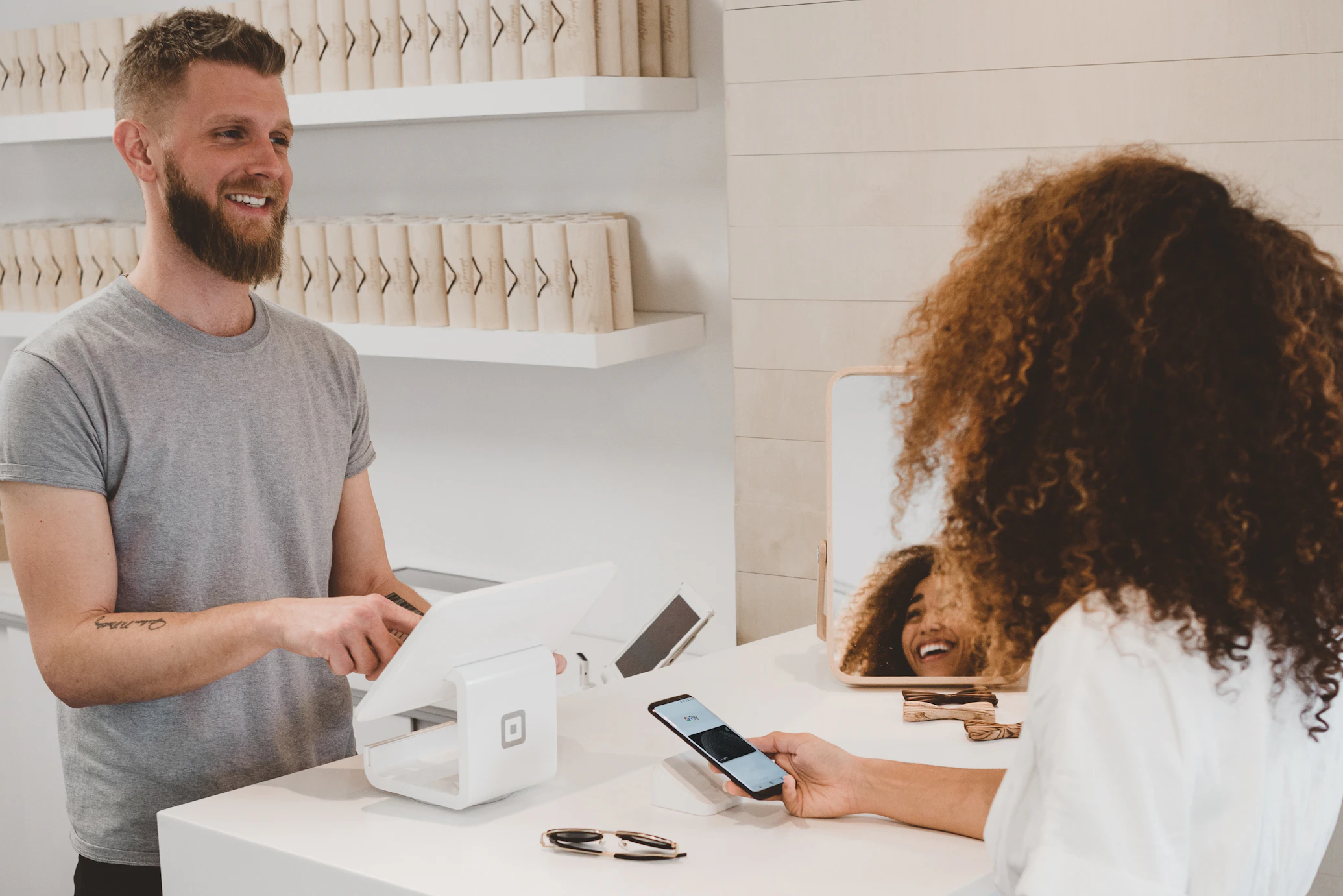
- What is the best way to handle payments? Use mobile POS systems that integrate with your sales tracking to ensure your online and offline inventory records stay synchronized.
- How can I automate my vendor applications? Use an event management platform that offers automated vendor application portals, which simplifies the review process and keeps all communications in one place.
Conclusion
Taking your Etsy shop to the street is a transformative step for any maker. By choosing the right events, designing an inviting space, and leveraging modern event technology, you can successfully scale your handmade business. Ready to streamline your event journey? Visit Unite Worldwide today to see how our platform makes managing vendors and events easier than ever.
Running a market of your own? See how farmers market software handles vendor applications, booth mapping, and payments in one place.
Follow us on Instagram
Daily farmers market tips, vendor spotlights, and organizer strategies at @uniteworldwideinc